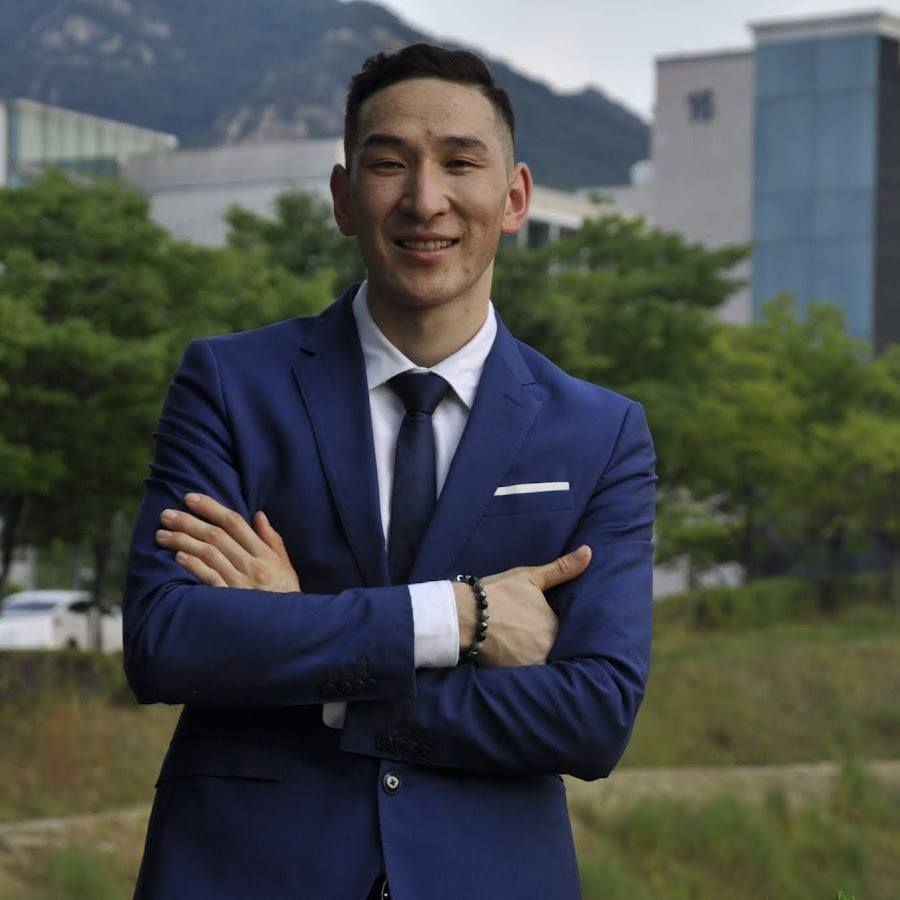
One of the best parts of the MEDAL summer schools was building friendships and collaborations.
- Can you tell us a little bit about yourself and your research interests?
I’m a doctoral student in psycholinguistics, and my research focuses on how young Mongolian children acquire early vocabulary and grammar. In my doctoral project, I am documenting the language development of children between 18 months and 4 years, following the guidelines of the Acquisition Sketch Project (Defina et al., 2023), and I am also adapting the MacArthur-Bates Communicative Development Inventories (CDI), a widely used assessment tool, for Mongolian. This work is important locally, because early language delays are a significant public health issue in Mongolia, yet we currently lack research-based tools in our own language. At the same time, by bringing evidence from an agglutinative and underrepresented language, my research contributes to a more global understanding of language development.
- What is your favorite memory from the MEDAL summer schools?
One highlight for me was the flash talk session at the first MEDAL Summer School in Tartu, where I presented a talk on acquisition of converbs in Mongolian-speaking urban and rural children. Having only three minutes was challenging, but it forced me to distill my message in an engaging way. Seeing the audience’s genuine interest was very motivating — it reminded me that even small contributions can spark bigger conversations. That moment continues to inspire how I approach presenting my work.
- Were there any collaborations or friendships that emerged from MEDAL that you’re particularly excited about?
Yes, absolutely. One of the best parts of the MEDAL summer schools was building friendships and collaborations with colleagues from different places. In particular, I worked a lot with fellow PhD candidate Abdellah Elouatiq from the Max Planck Institute for Psycholinguistics — we are both contributing to the Acquisition Sketch Project, he on the Berber language of Morocco and I on Mongolian. He has been a great collaborator, and I learned a lot from his experience with data collection, transcription, and coding, as well as with using the CLAN software. I also enjoyed connecting with Adele Vaks (University of Tartu) and Laura Patrizzi (University of Basel), and our conversations on language development and methodology have been really inspiring. These relationships turned the summer schools into not just a learning experience but also an opportunity for meaningful networking and future collaboration.
- Do you think your research could have a real-world application? If so, what would it be?
Yes, definitely. An important part of my project is adapting and standardizing the CDI for Mongolian. This tool will become the first culturally appropriate screening instrument in the country, allowing pediatricians and speech-language pathologists to identify delays earlier, giving policymakers reliable data for decision-making, and helping preschool teachers and parents better understand children’s language and communication needs. In practice, it will benefit families, health and education professionals, organizations, and the Mongolian academic community, making it a very concrete real-world outcome of my research.